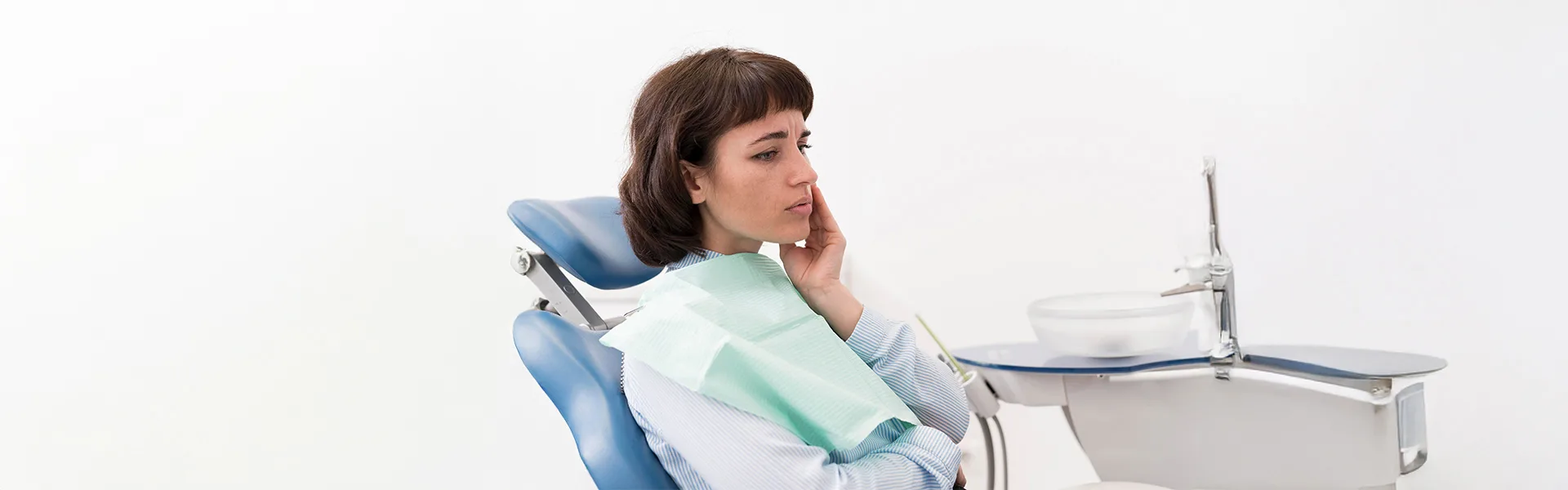
Why Does Your Jaw Hurt When You Chew or Wake Up?
Does your jaw ache before breakfast? Maybe your first few bites of toast hurt, or you feel soreness near your ear after talking for a long time. The pain might disappear during the day, then return the next morning.
Jaw soreness can come from tight chewing muscles, nighttime clenching, dental problems, or conditions that affect the jaw joints.
A sore jaw doesn’t always mean you have a joint disorder. Still, recurring pain or difficulty eating is worth getting checked.
Jaw Pain When Chewing: Could TMJ Problems Be the Cause?
Your jaw joints and surrounding muscles handle the movements needed for eating, speaking, and yawning. When these areas become irritated, even biting into something firm may hurt.
Jaw pain when chewing might feel like a dull ache across your cheek or a sharper sensation just in front of your ear. Some people notice it after a long meal, while others feel stiffness when they first wake up.
The pain’s location and timing can offer clues. A sore molar, strained muscle, or inflamed joint can cause similar discomfort, but each may need a different approach.
Your dentist can check for tooth-related problems before deciding whether the jaw joints need further attention.
What Is TMJ Disorder?
Key Signs or Causes
You have two temporomandibular joints, one just in front of each ear. They allow your lower jaw to move freely, making everyday activities like chewing, speaking, and opening your mouth possible.
Temporomandibular disorders, or TMDs, affect these joints, the chewing muscles, or both. TMJ is the joint, not the disorder.
Common TMJ symptoms include tenderness, pain on movement, morning stiffness, and difficulty opening your mouth fully.
You might also hear clicking or popping. If these sounds aren’t accompanied by pain or restricted movement, you usually don’t need treatment.
How Dental Care Addresses the Problem
Your dentist may ask you to open and close your mouth, check for tender muscles, and discuss which activities trigger discomfort.
X-rays or other imaging aren’t necessary for everyone. They’re considered when the examination reveals something that needs a closer look.
This helps determine whether the trouble involves the jaw or a single tooth.
Common Reasons Your Jaw May Hurt
Key Signs or Causes
Teeth grinding, also called bruxism, can leave the muscles around your jaw feeling tired or sore. You might clench during sleep without knowing it.
An old jaw injury, arthritis, or prolonged muscle tension may also contribute to pain. Some people tighten their jaws more often during stressful periods.
But a sore jaw isn’t always related to TMD. For example, an infected tooth can cause pain that travels toward the ear.
How Dental Care Addresses the Problem
Your dentist may look for worn tooth surfaces, check whether a particular tooth hurts, and ask about your clenching habits.
If grinding is wearing down your teeth, a custom nightguard may help protect them. That doesn’t mean it will necessarily ease joint pain.
Whether an appliance helps depends on what’s causing your symptoms.
Signs Your Jaw Pain May Be TMJ Related
Key Signs or Causes
Soreness near the ear, difficulty opening wide, or stiffness after waking can point toward a problem involving the jaw joint or muscles.
Some people notice headaches around their temples. Others hear clicking when they eat or occasionally struggle to move their lower jaw normally.
A clicking sound by itself doesn’t confirm TMD. Headaches can also have causes unrelated to the jaw.
How Dental Care Addresses the Problem
During the examination, your dentist may watch how your jaw moves and gently press certain muscles to locate tender areas.
If your mouth opening is restricted or your jaw repeatedly locks, your dentist may recommend further investigation. Sometimes, that means seeing a clinician who specializes in orofacial pain.
How TMJ Treatment Can Help
Key Signs or Causes
When your jaw hurts, you might take smaller bites or avoid foods that require a lot of chewing.
Reducing jaw-straining activities can ease mild symptoms. But if the pain keeps returning, temporary changes may not be enough.
How Dental Care Addresses the Problem
Treatment often starts with simple, reversible measures.
You may need to eat soft foods for a few days and stop chewing gum. Warm or cold packs and gentle jaw exercises may also help.
Physical therapy helps some patients, while doctors may consider medication after reviewing existing health conditions and possible risks.
The National Institute of Dental and Craniofacial Research recommends starting with reversible care rather than permanently changing the teeth or bite to manage TMD.
For some people, jaw pain relief involves reducing muscle strain. Others need treatment for a dental condition that’s causing referred pain.
If soreness keeps affecting your meals or sleep, arrange an examination to discuss which treatment options fit your symptoms.
When Jaw Pain Needs Dental Evaluation
Key Signs or Causes
Your jaw might feel tired after chewing something tough for a long time. Mild soreness may settle once the muscles have rested.
Frequent pain, difficulty opening your mouth, or trouble eating deserves attention.
Swelling, repeated locking, or a changed bite following an injury should also be assessed promptly.
How Dental Care Addresses the Problem
Dr. Jaineesh Joshi, DMD, provides dental care at the Phoenix practice. Its TMJ service includes reviewing symptoms, checking jaw movement, and looking for factors that may contribute to the discomfort.
Depending on the findings, the dentist may discuss conservative treatment or a referral to another healthcare professional.
When Should You See a Dentist?
Make an appointment if you regularly wake with a sore jaw, struggle to chew comfortably, or experience painful clicking when moving your mouth.
If your mouth gets stuck open or closed, leave your jaw as it is and get urgent professional help.
Fever with facial swelling or a suspected dental infection also needs prompt attention. Major facial injuries require emergency assessment. If you have difficulty breathing or swallowing, seek emergency medical care immediately.
While you wait for your appointment, avoid forceful stretching and foods that repeatedly worsen the pain.
Conclusion
A sore jaw in the morning or pain during meals can have several causes. Grinding, muscle tension, joint problems, and dental infections can cause similar symptoms, but they don’t all require the same treatment.
Identifying the cause of the discomfort can help you avoid unnecessary procedures.
At Phoenix Premier Dental, we can assess recurring jaw pain and discuss conservative TMJ care when appropriate. Schedule a consultation if discomfort is making everyday activities difficult.